
Letting go · · 3 min
Chiseling away the marble
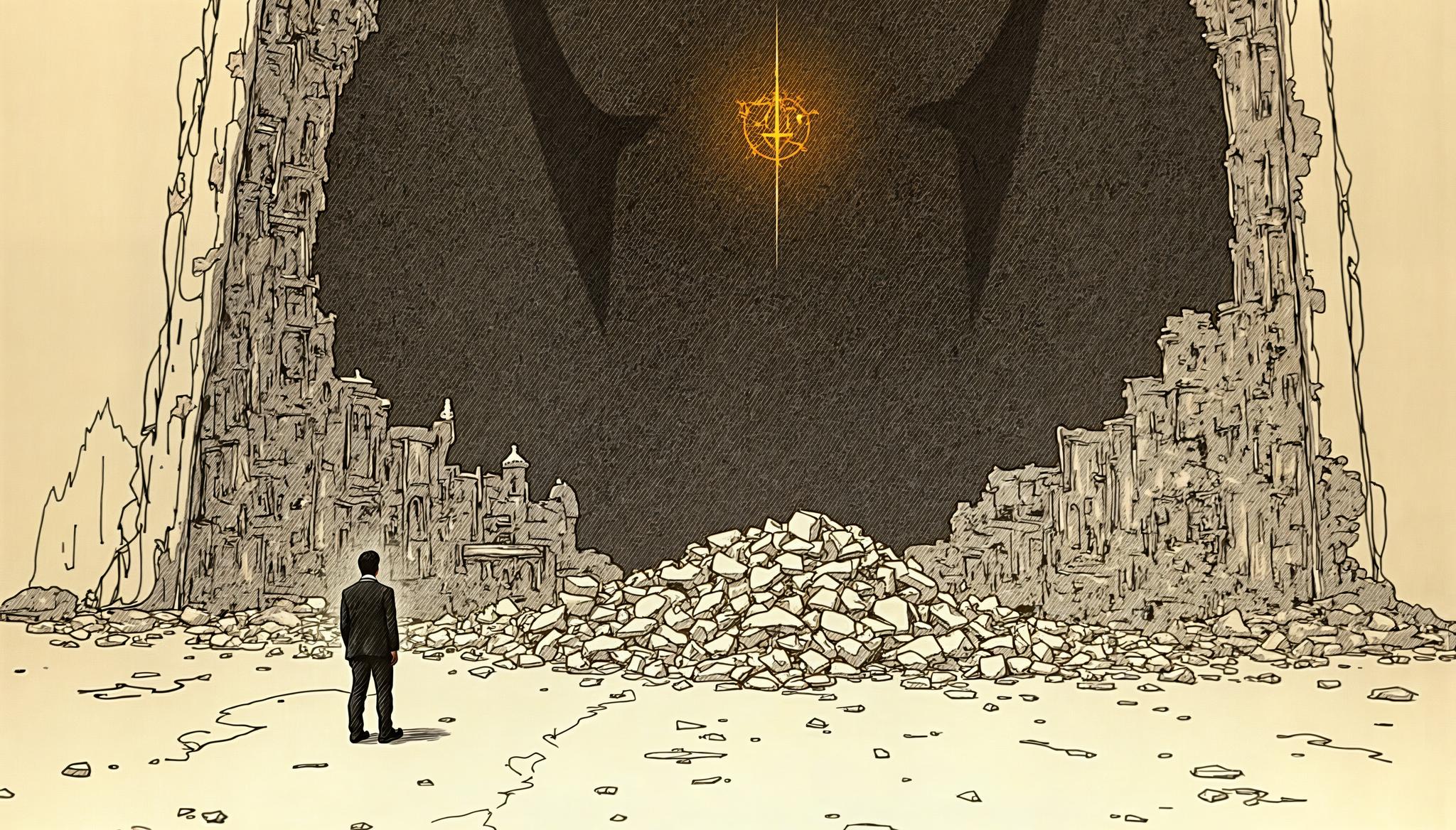
Growth isn't about adding more. It's about removing what was never yours to begin with.
In short
Growth is usually an addition problem in disguise. Business owners hit ceilings not because they need more tactics but because inherited patterns like perfectionism, fear of rest, and scarcity thinking quietly cap every strategy they try. Sustainable scaling requires removing what is not yours before adding anything new.
Michelangelo said he saw the angel in the marble and carved until he set it free. Most of us are doing the opposite. We keep gluing on more marble.
More hours. More courses. More proof that we deserve the thing we already want. We treat growth like an accumulation project, as if the person we’re trying to become is somewhere out there, waiting to be assembled from the right collection of achievements and credentials.
I spent years in that mode. Worth was measured in hours logged. If I wasn’t producing something visible, I was wasting time. Rest felt like theft. Spending money on myself felt reckless. Stillness felt dangerous, like the whole operation might collapse if I stopped moving for even an afternoon.
The turning point wasn’t a new skill or strategy. It was recognizing that the grind itself was the marble. The compulsive productivity, the guilt about rest, the need to earn permission before I could enjoy anything: these weren’t signs of a strong work ethic. They were patterns I’d inherited, and they were covering up something much more useful underneath.
What the marble is made of
The stuff you need to remove doesn’t announce itself as a problem. It disguises itself as responsibility, discipline, or common sense. Here’s what I found when I started paying attention.
Perfectionism kept me from publishing content for years. I told myself I was “refining.” I was hiding. The standard I held my work to had nothing to do with excellence. It was a shield against being seen and judged.
Fear of rest had me filling every open hour with tasks. Breath work, grounding, sitting still for twenty minutes: these felt like indulgences. Turns out they’re the highest-return activities I’ve ever practiced. My best ideas, my clearest decisions, my most profitable moves all came after periods of deliberate nothing. If you have ever felt a wave of unease the moment things start working without crisis, I wrote about that specific pattern in why calm feels dangerous when you’re scaling.
Scarcity thinking made me anxious about spending, even when the numbers said I could. That anxiety disguised itself as financial wisdom. Underneath it was an old story about safety that no longer matched my actual life.
People-pleasing had me optimizing for other people’s comfort at the expense of my own direction. Saying yes to stay liked. Staying small to avoid threatening anyone’s sense of how things should work.
The old identity fights back
When you start removing these patterns, the old version of you gets loud. The identity you built over decades (employee, grinder, good kid who follows the rules) doesn’t step aside because you’ve had a realization. It pushes back.
For me, that showed up physically. Tension, sleep disruption, a low hum of anxiety that didn’t match anything happening in my actual day. The body processes what the mind decides, and identity shifts register as threat at a nervous system level. That’s not a sign you’re doing it wrong. It’s the marble cracking.
The fears didn’t go away because I analyzed them or found their root cause. They lost power because I stopped obeying them. Every time I rested when the old pattern said “produce,” every time I spent when scarcity said “hoard,” every time I published when perfectionism said “wait,” the pattern got a little quieter. This is the same dynamic as the sports car with the parking brake on: the engine was never the limit. You don’t defeat fear by understanding it. You starve it by withdrawing your cooperation.
Subtraction as a practice
This isn’t a one-time event. Removing what isn’t yours is ongoing work, quieter and less glamorous than the hustle it replaces. Nobody posts about the morning they sat still for fifteen minutes and noticed they were fine. There’s no trophy for declining the meeting that would have drained you.
The results show up slowly: better sleep, clearer thinking, decisions that actually reflect what you want instead of what you think you should want.
The version of you that works best is probably already in there, underneath the productivity guilt and the inherited scripts and the fear of what people might say. You don’t need to build it. You need to stop covering it up.
Michelangelo didn’t add anything to that block of marble. He just had the nerve to keep removing what didn’t belong.
Written by Martin Ronquillo, founder of Genuai. He reads every reply.
Send me Sunday's noteA short note · every Sunday
The Sunday Alignment
For the Sunday night when the week already feels heavy. One short note before Monday: three minutes, one thing to do. By Thursday you have done it once.
You're in. The next note lands Sunday.
Something went wrong. Please try again.
One email a week. Free. Unsubscribe in one click.