
The flat stretch · · 4 min
Why you resist the things that would help you
The resistance is not the enemy. It is the earliest signal you have, and it is usually pointing at something the practice was about to touch.
In short
Steven Pressfield named Resistance in The War of Art: the force that rises against any work that would grow you. He read the feeling exactly. The source sits one layer deeper. A nervous system running on threat produces the felt pull of resistance the way low blood sugar produces irritation. The state upstream creates the pattern downstream, and willpower aimed at the pattern cannot resolve the state. Coal miners carried canaries to read the air; when the bird went quiet they fixed the mine, not the bird. Three common expressions get named (the morning practice that will not hold, the hard project that will not get its daily reps, the people who deserve steadier presence) plus the misread that makes all three worse: grading a threat response as a character problem. The move that works is regulating first (slow exhale, walking under trees, bare feet on ground, cold water, orienting) and then returning to the work at the smallest dose. Anti-bypass close: regulation makes the work available, not easy.
The night before, the plan is clear. Morning practice, then the hard project, then the call you keep putting off. Morning comes. You make coffee, open your phone, and the plan quietly dissolves.
Steven Pressfield named this force in The War of Art (2002). He called it Resistance: the pull that rises against any work that would grow you. The creative project, the new business, the practice, the hard conversation. Pressfield wrote that Resistance is universal and impersonal, and on that he was right. He read the feeling exactly. The source sits one layer deeper. Resistance is a signal from a nervous system that does not feel safe enough to do the work. A body running on threat produces the felt pull of resistance the way low blood sugar produces irritation. The state upstream creates the pattern downstream. Willpower aimed at the pattern does not resolve the state.
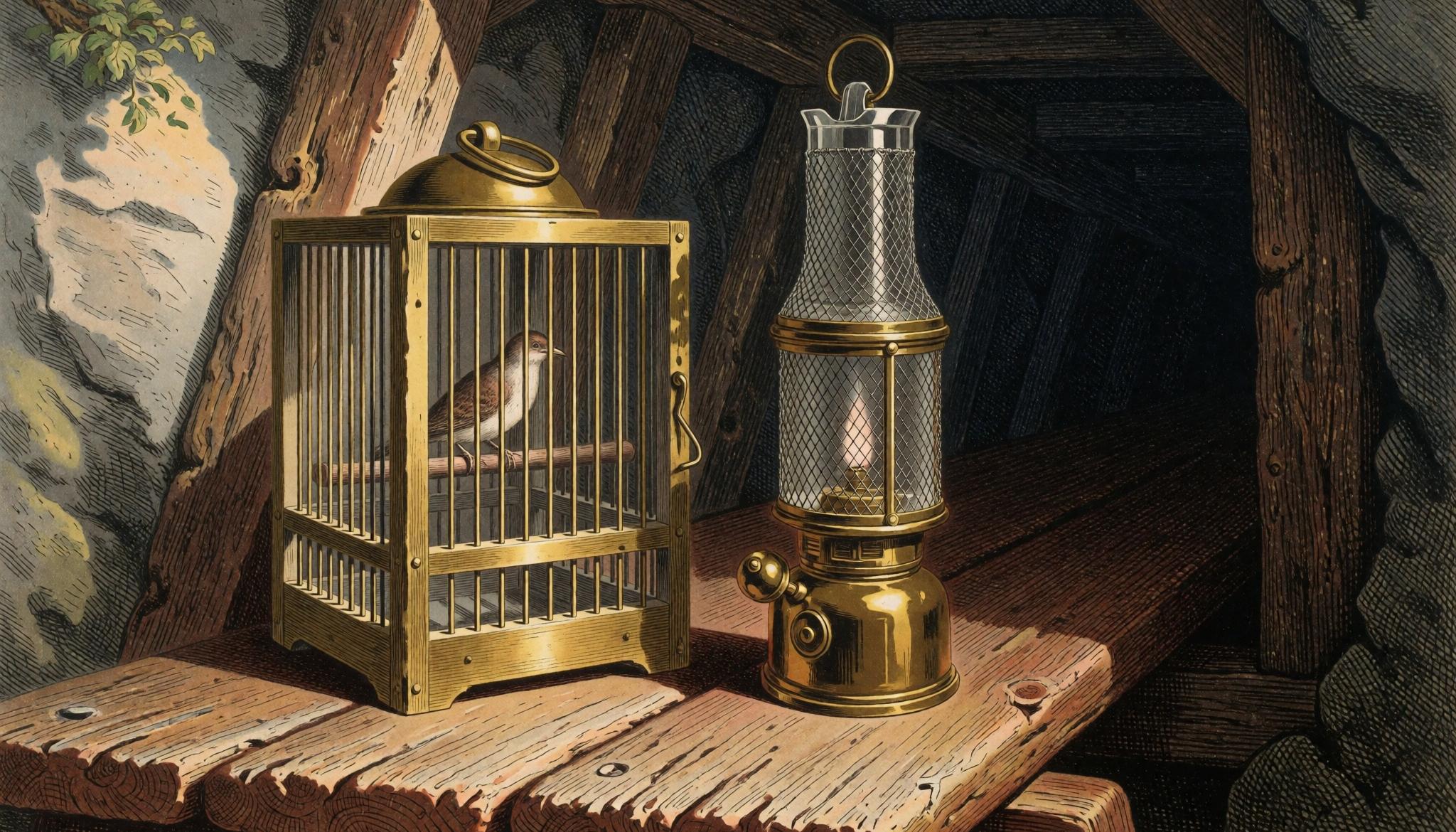
Coal miners understood this kind of signal. From the 1890s, when the physiologist John Scott Haldane proposed it, until 1986, British miners carried canaries underground to read the air. When the bird went quiet, no one blamed the bird. They fixed the mine.
The resistance is the canary.
What did Pressfield get right?
He got the feel of it exactly. The sudden need to clean the kitchen before writing. The email check that eats the first hour. The strange fatigue that arrives the moment the real work opens. In Do the Work (2011) he added the scale: Resistance rises strongest against the work that matters most to you. That inversion is real, and naming it has helped a generation of people stop taking the pull personally.
He also treated the fight with dignity. In Pressfield’s frame you are not lazy. You are up against a force every maker faces. That framing alone lifts shame off the pattern, and shame is fuel for the pattern.
What the frame leaves out is the body. Pressfield treats Resistance as a standing enemy to be beaten fresh each morning. Beating it works some days. It fails on the days you need it most, and it fails in a pattern. A pattern like that points at something underneath.
Where does the resistance come from?
Your nervous system sorts everything into safe or unsafe before you get a vote. When the body is regulated, hard work reads as effort. Effort is workable. When the body is dysregulated, the same work reads as exposure. Danger.
Dysregulated is a plain idea: the body’s alarm keeps running when nothing is happening. Old load, unfelt feelings, years of pushing. The alarm does not announce itself as fear. It shows up dressed as procrastination, sudden tiredness, the pull toward the phone, the ninth small task before the one real one. From the inside, it feels like a discipline problem. From the body’s side, it is protection.
Why does willpower fail against it?
Because willpower argues with the pattern while the state keeps producing it. You can force one session through on threat. Many people force whole years through. But the forcing spends more than it earns, and the pull returns stronger, because the body has now filed the work under danger plus force.
It is like bailing water without patching the hull. Real effort, honest sweat, same leak.
What does this look like day to day?
Three common expressions.
Personal: the morning practice that will not hold past day eleven, no matter how much you want it.
Professional: the project that matters most gets the least of you. The daily reps go to everything else.
Relational: the people who deserve your steadiest presence get the distracted version, and you cannot seem to fix it by deciding to.
And one misread that makes all three worse: calling it a lack of discipline. The body is running on threat, and it gets graded on character. The grade adds shame, shame adds threat, and the loop feeds itself.
What actually works?
Regulate the state first. Not as self-care around the work. As the first step of the work.
The moves are plain. Breathing with a longer exhale: four counts in, six counts out, for a few minutes. A slow walk under trees. Bare feet on actual ground. Cold water on the face or the body. Orienting: let your eyes move slowly around the room and land on what is actually there, so the body can check the room instead of the story.
None of this is exotic, and that is the point. These moves tell the body, in its own language, that nothing is hunting it. Then you return to the work at the smallest honest dose. Open the file. Write one line. Sit for two minutes. This is the same move that you cannot outrun inconsistency names for a broken practice: you miss, you return, and you skip the punishment in between.
Some days the resistance itself is thick enough to touch. Meet it the way you would meet any feeling, with the four stages in the four stages of letting go: stay, acknowledge, gratitude, love. Then return.
Does regulating make the work easy?
No. This part matters.
Regulation makes the work available, not easy. The project is still hard. The conversation is still uncomfortable. The reps are still reps. What changes is that a regulated body can stay with the difficulty instead of reaching for the phone.
I still meet the pull most days. The breath does not delete it. It gives me a body that can sit down anyway. That is the whole trade, and it is enough.
Today, before the work: four counts in, six counts out, ten times. Then open the file. Smallest dose. Return tomorrow. If the feeling underneath wants attention first, the guided practice walks the four stages at body pace.
Written by Martin Ronquillo, founder of Genuai. He reads every reply.
Send me Sunday's noteA short note · every Sunday
The Sunday Alignment
For the Sunday night when the week already feels heavy. One short note before Monday: three minutes, one thing to do. By Thursday you have done it once.
You're in. The next note lands Sunday.
Something went wrong. Please try again.
One email a week. Free. Unsubscribe in one click.