
The practice · · 3 min
The wire thickens from where you are
The acceleration script tells operators to be at the next level before they have inhabited the current one. The wire does not work that way: capacity expands through current passing through, not through willed performance.
In short
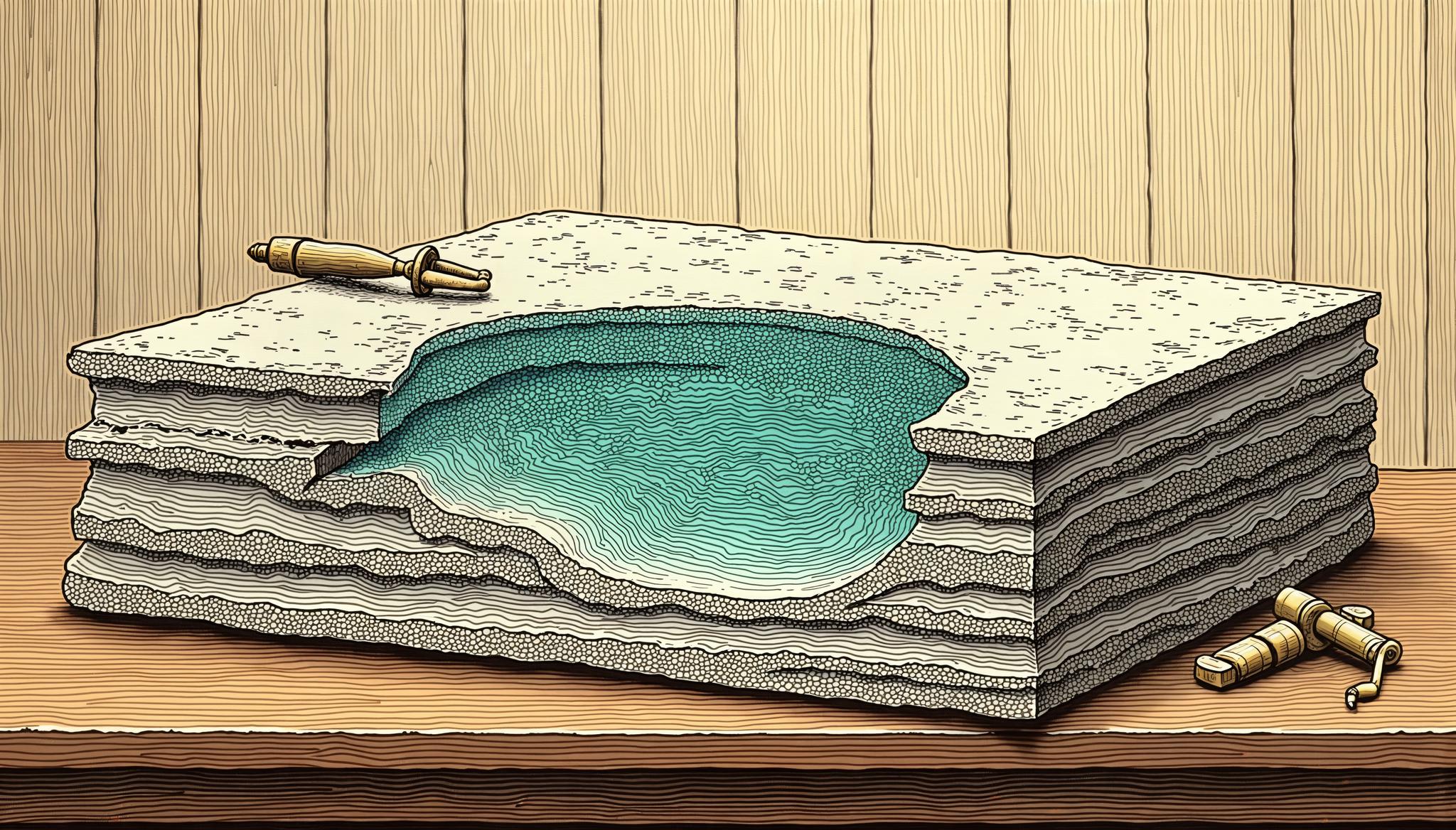
The acceleration script tells operators to be at the next level before they have inhabited the current one. Capacity does not work that way. The wire thickens through current passing through it, not through being told to be thicker. Performance can be willed in a quarter. Capacity cannot. The operator who skips the level in front of them runs the next configuration through a wire too thin for the load, and the breaker trips at the first real stress test. The work is to inhabit the level being run, fully, until the current that used to feel like the edge becomes the baseline.
10x your business. Level up immediately. Go big or go home. Scale to seven figures by Q4. The cultural script is loud, and most of the time it does not even register as pressure. It just feels like the air the work runs in.
The script promises a shortcut. Skip the slow part by pushing past the level you are in, willing yourself into a bigger version before the current version has had time to settle.
The trap is structural. The operator who tries to skip the level they are in does not actually skip it. They overlay the next configuration onto a wire too thin for the current. The breaker trips at the first real stress test. What looked like rapid scale was a willed performance of scale, and brittle systems do not survive contact with the real load.
The wire problem
Capacity is not a willed property. It is a wire property. The wire thickens through current passing through it, not through being told to be thicker.
This is the container problem at the substrate level. The operator does not perform their way into a larger version of themselves. They inhabit the version they are in, fully, until the current that used to trip the breaker just runs. The sensation is anticlimactic. There is no graduation event.
One day the load runs through and the breaker stays cold, and the operator notices, after the fact, that the same load used to break them.
The mechanism
The wire is not metaphor. It is description. Capacity is what the system can conduct without tripping. Growth is what the wire conducts after enough current has run through long enough for the wire itself to change.
Performance can be willed in a quarter. Capacity cannot. Performance is what the operator demonstrates to investors, employees, the audience watching. Capacity is what the wire actually carries when nobody is watching. The two diverge under load, and the divergence is what brittle scale is made of.
Same logic at every scale
The pattern operates at every scale. Personal, professional, business. The owner who tries to run a $200k month from a $50k wire has the same problem as the operator who tries to skip the work in front of them. The current does not flow through what has not been built to receive it.
In business this means sequential, not parallel. The next client engagement comes after the current one has been documented. The next offer is calibrated only after the current one has produced enough data to read. Each level is its own substantive work, not a stepping stone.
The script frames each level as a means to an end. The wire does not. The wire thickens at the level it is being run. The next level arrives on a thicker wire because the current level got inhabited. Reverse the order and the system breaks.
What the script costs
The hidden cost of acceleration is everything that does not get inhabited. The clients whose patterns never got observed. The systems whose feedback loops never got read. The data the level was about to produce gets skipped along with the level. Then the next level keeps breaking in the same place, and the operator goes looking for a tactical fix when the issue is upstream.
The operator who runs at their own cadence looks slow from the outside. The numbers do not move on the schedule the script demands. What moves is the wire. The current that used to feel like the edge of capacity is now the baseline. The next level arrives, when it arrives, on a thicker wire that no amount of willed performance could have produced.
This work is not for operators who measure progress in announcements. It will not feel like winning to anyone whose nervous system is tuned to acceleration. The signal is too quiet, the cadence too patient, the timeline too unwilling to perform.
The wire thickened where the current was allowed to run. The breaker held when the next load came through.
Written by Martin Ronquillo, founder of Genuai. He reads every reply.
Send me Sunday's noteA short note · every Sunday
The Sunday Alignment
For the Sunday night when the week already feels heavy. One short note before Monday: three minutes, one thing to do. By Thursday you have done it once.
You're in. The next note lands Sunday.
Something went wrong. Please try again.
One email a week. Free. Unsubscribe in one click.