
Self worth · · 3 min
You can only receive what your vessel can hold
Most growth ceilings are not effort problems. They are receiving problems. An old Kabbalah teaching on the vessel and the light, read in operator terms.
In short
Most operators treat a plateau as an input problem: work harder, market more, add another offer. But a lot of ceilings sit on the receiving side, not the input side. The opportunity is already there, the higher price would clear, the bigger client would say yes, and what caps the result is how much you can let yourself take in without flinching. An old teaching in Kabbalah names this directly. The light is treated as infinite and always flowing; what decides how much reaches you is the vessel, the container you have built to hold it. The same tradition names what keeps the vessel small: the bread of shame, the discomfort of receiving something you have not earned, the reflex that turns a gift into a debt. The reframe that moves it is that wanting is not the greedy thing. Wanting is how the vessel gets built, and shame is what collapses it. You expand the vessel by receiving slightly more than is comfortable and staying in your body while it lands, one small rehearsal at a time, until the flinch gets quieter and the number you can hold without gripping goes up.
You raised the price. One notch, nothing dramatic. And the moment you saved it, your stomach tightened and a quiet voice asked who you thought you were.
The work is good. The demand is there. On paper there is no reason you could not charge more, hold more, take on the larger thing. And still there is a ceiling you keep hitting that has nothing to do with the market.
I keep running into it in my own numbers. Not a strategy problem. A receiving problem.
The ceiling is usually on the receiving side
Most operators treat a plateau as an input problem. Work harder, market more, add another offer. Push more in and expect more out.
But a lot of ceilings are not on the input side. They are on the receiving side. The opportunity is already there. The higher price would clear. The bigger client would say yes. What caps the result is how much you can let yourself take in without flinching.
You can feel the difference. Effort has a grip to it. Receiving has a flinch to it. When the flinch is running, no amount of extra effort moves the number, because the constraint was never effort.
What the old teaching calls the vessel
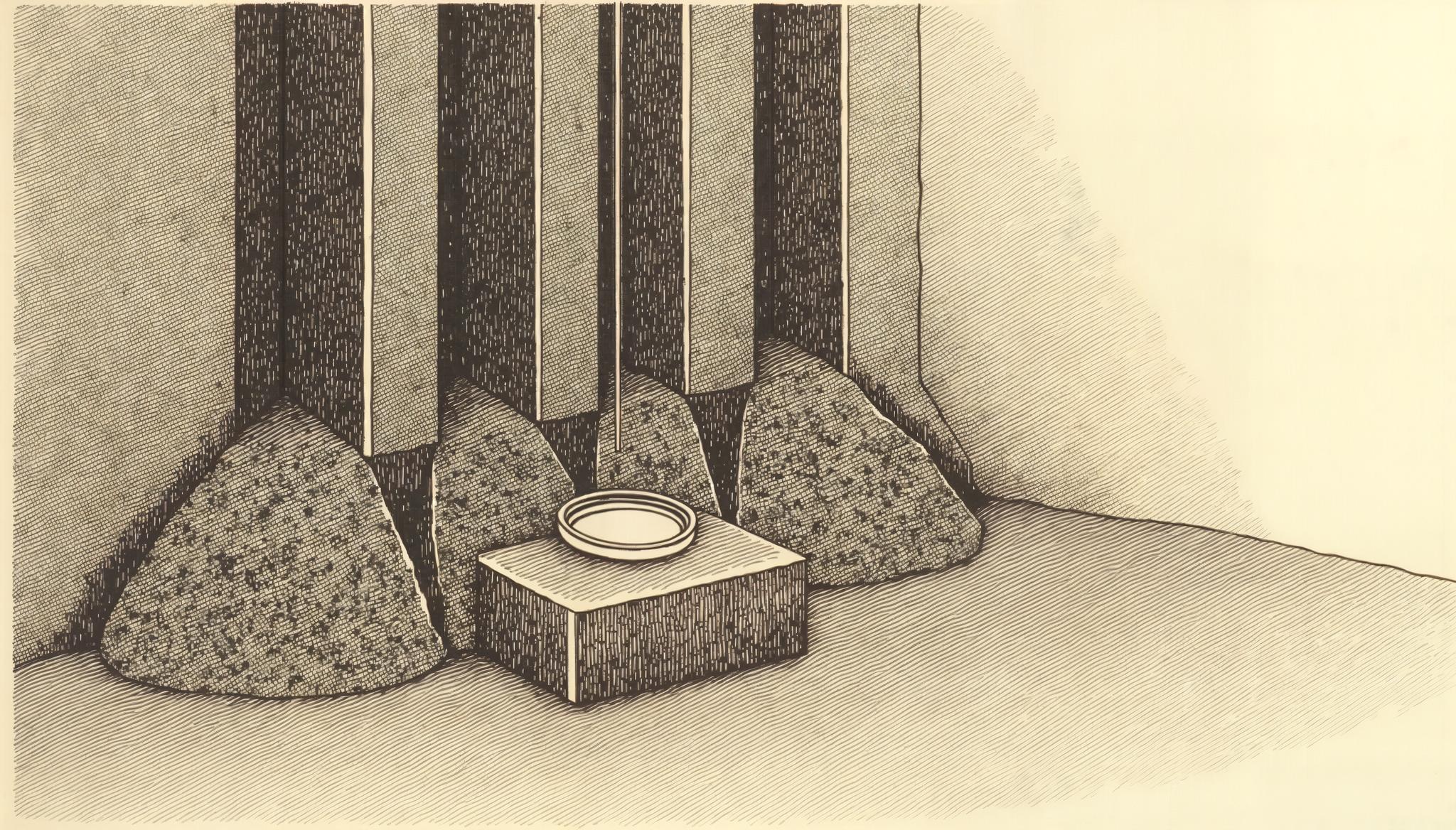
There is a teaching in Kabbalah that has been sitting with me. It says the light is infinite and always flowing. What decides how much of it reaches you is not the light. It is the vessel: the size and the readiness of the container you have built to hold it.
Read it as an operator and it stops being mystical. The light is the demand, the money, the opportunity, the recognition, the help that is already available to you. The vessel is your capacity to receive it without your system treating it as a threat.
A small vessel with an ocean pouring toward it still ends up with a cupful. The move is not a bigger ocean. It is a bigger vessel.
Why receiving can feel like taking
The same tradition names the thing that keeps the vessel small. It calls it the bread of shame. The discomfort of receiving something you have not earned. The reflex that turns a gift into a debt, and a raise into a question about whether you deserve it.
I know that reflex from the inside. A part of me feels selfish for wanting more and ashamed when something arrives easily. That part has kept my prices lower than the market for longer than the market required.
Here is the reframe that moved it. Wanting is not the greedy thing. Wanting is how the vessel gets built. The desire for more capacity, more range, more good in your life is the exact pressure that expands the container. Shame collapses it. The work is to want without the shame, which is harder and quieter than it sounds.
Building the vessel
You do not expand a vessel by thinking about it. You expand it by receiving slightly more than is comfortable and staying in your body while it lands.
For me that has looked small and unglamorous. Raise a floor price by a single notch and sit with the discomfort instead of reversing it. Let a compliment land without deflecting it. Accept help without immediately calculating the repayment. Each one is a rehearsal. The nervous system learns that receiving did not cost what it feared, and the next notch gets easier.
The sign that it is working is not a feeling of confidence. It is that the flinch gets quieter, and the number you can hold without gripping goes up.
This is not for everyone. If the plan is to push harder into a channel that is already saturated, this will read as soft. It is the opposite of soft. Sitting still while more arrives, and not sabotaging it, is the most demanding thing I do in a week.
Where I have landed for now
I am testing a simple idea. That a lot of what looks like a growth problem is a capacity-to-receive problem wearing a growth problem’s clothes. That the outer number tracks the inner vessel more closely than it tracks the effort.
I am still building mine. The flinch still shows up. I still catch the part that wants to lower the price back to where receiving felt safe. I keep raising it anyway, one notch at a time, and watching what the vessel can hold.
Ask me in a year.
Written by Martin Ronquillo, founder of Genuai. He reads every reply.
Send me Sunday's noteA short note · every Sunday
The Sunday Alignment
For the Sunday night when the week already feels heavy. One short note before Monday: three minutes, one thing to do. By Thursday you have done it once.
You're in. The next note lands Sunday.
Something went wrong. Please try again.
One email a week. Free. Unsubscribe in one click.